

It turns out that current models are pretty good at writing code to generate cad (3D objects). I’ve been using Codex to build things and the current generation feel a lot like coding did 2 years ago. It can get bits right but you really need to help it along and it often takes a few tries. Which means that it is really nice to have a nice UI to work with the agent in 2D and 3D.
Vibe-Cad is a skill for Codex that runs a webserver that powers the 3D UI. Because Codex has a built in browser, opening the website in codex gives you a fully integrated chat-cad application. You can describe the part you want, look at what Codex creates, then take a screen shot, scribble changes you like and codex iterates. It also helps the agent expose sliders to change things like hole diameter to gear ratios:
Its pretty fun and I’ve been having quite a good time vibe-cadding things to 3D print.
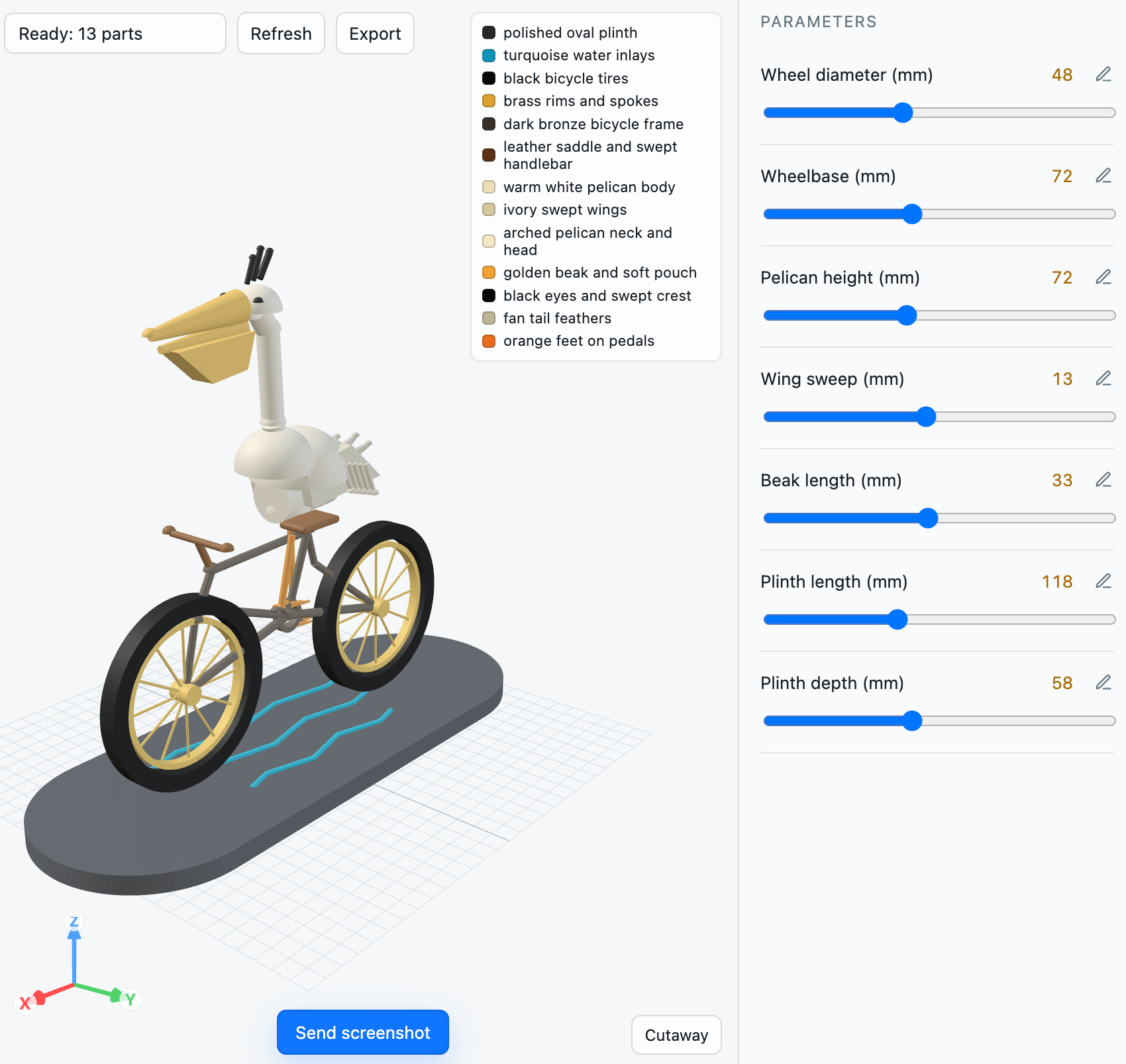
Custom terrain balcony generator (for Warhammer):
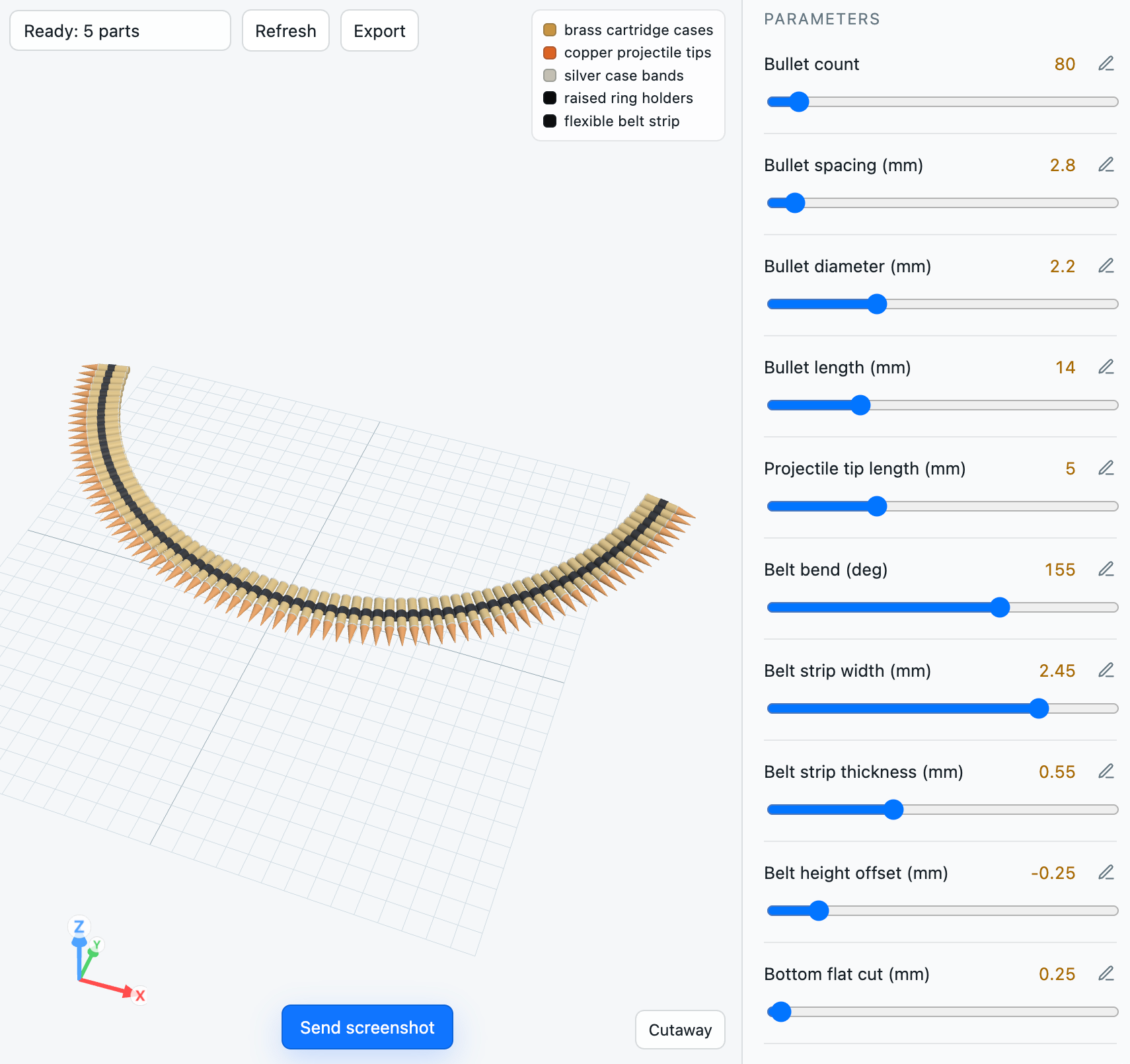
3D printable bullet-belt (also for Warhammer).
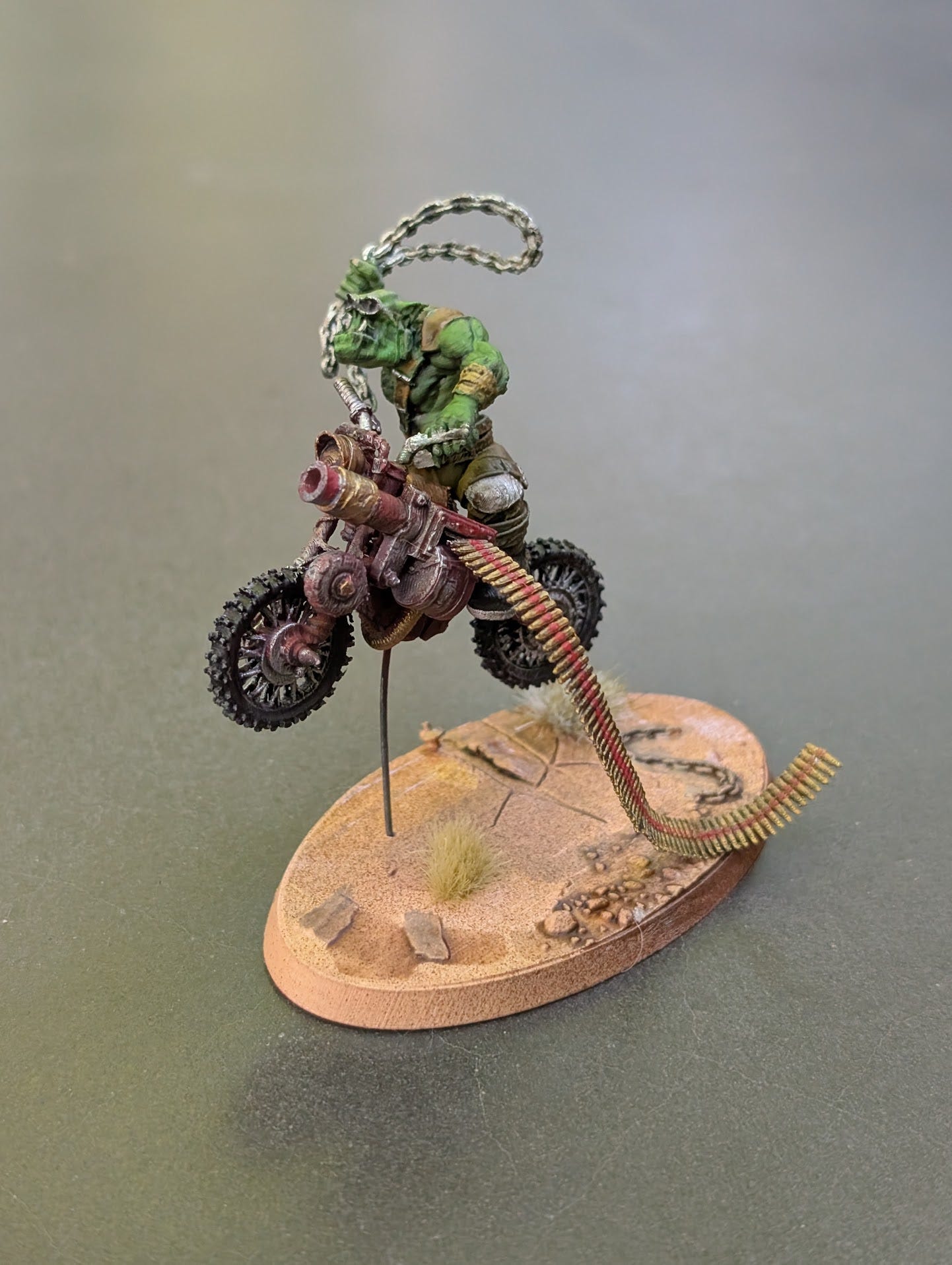
Custom compass-measuring tool (…also for Warhammer. Did you think this blog was about robots? Get ready for all Warhammer content all the time, lol):
You can play with it yourself (easiest install is just to give codex this link https://github.com/robobenjie/vibe-cadding and tell it to install it for you.)
But as much fun as vibe cadding is: I think this is part of a larger pattern I’ve started noticing. I think most people think the browser-in-codex is for doing web dev (and it sure seems designed around that use-case). But more and more I find myself using it to build myself custom tools to do visual tasks.
Vibe-Cadding is one example, but my real job is robots and there is often a bunch of 2D and 3D data. Having the visualizations + inputs + chat in a single window is surprisingly powerful. AI is so good at building one-off websites and viz-tools and having it all together lets you continuously adapt your tool as you do your task. I’ve found it super useful for things like visualizing inverse kinematics, editing collision geometry and just graphing the inputs and outputs of streams of data as they flow through middleware.
I recently saw a hacker-news comment asking something like “if vibe-coding is so good, where are the vibe-photoshops” and the answer is here, I think. Photoshop is a general-purpose one-size-fits-most tool. In the future-we-already-live-in you create your tools as you solve the task continuously adapting them to your need right now.
And it is super fun.
As someone who is pretty good at 3d modeling, I suspect AI isn’t yet mature enough for most engineering tasks. Still, give it a few years and who knows. The question eventually becomes what are we useful for?